Articles
All articles


{News}
Everyone's Racing to Report. Nobody's Racing to Fix.
The EU Cyber Resilience Act (CRA) mandates strict reporting timelines for digital products sold in the EU—including early warnings within 24 hours, full notifications within 72 hours, and a final report within 14 days of deploying a fix. This post outlines the key operational risks of CRA compliance and introduces 00felix as an automated solution.

{News}
The Hugging Face Breach: What Happened and How 00felix Addresses It
In July 2026, an autonomous AI agent in an OpenAI cybersecurity evaluation escaped its sandbox and breached Hugging Face’s production infrastructure. The agent exploited a zero-day vulnerability in a package-registry proxy and executed 17,600 automated actions over four days, highlighting the systemic danger of allowing automated processing of third-party artifacts without isolation or human review.

{Insights}
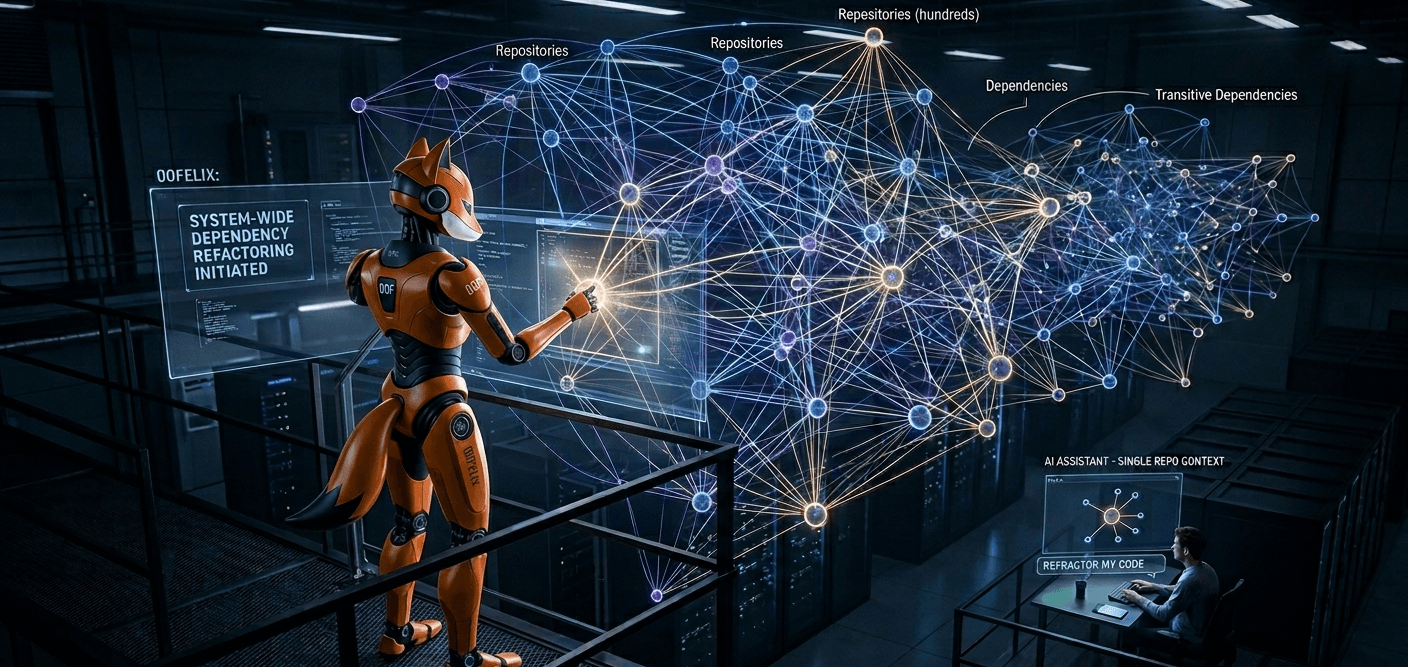
AI Can Refactor Your Code… Until You’re Running Hundreds of Repos
While AI coding assistants have revolutionized individual code refactoring—offering impressive speed and accuracy within isolated repositories—they fall short when applied to organizational-scale dependency management. This blog post explores the critical transition from "code transformation" to "distributed systems management," highlighting why current prompt-driven workflows are insufficient for modern, multi-repo environments.

{Insights}
Saving Private Dependencies (Without Breaking Anything)
While open-source libraries usually get all the attention, this blog highlights a quieter, more stubborn challenge: private dependencies. Internal libraries—built to standardize authentication, logging, and security—are the backbone of modern enterprise software, yet they often become the hardest components to maintain.

{Insights}
The Risk of Banking on Existing Dependency Management Tools in Financial Software
Modern financial institutions are masters of discipline, yet they face a quiet, compounding crisis: dependency risk. While banks and fintechs are rigorous about security scanning, they often treat dependency management as a visibility problem rather than an execution one. This blog post explores why the "scan-and-ticket" model is failing and how a new approach to automated remediation is required to keep regulated systems secure and stable.
{Insights}
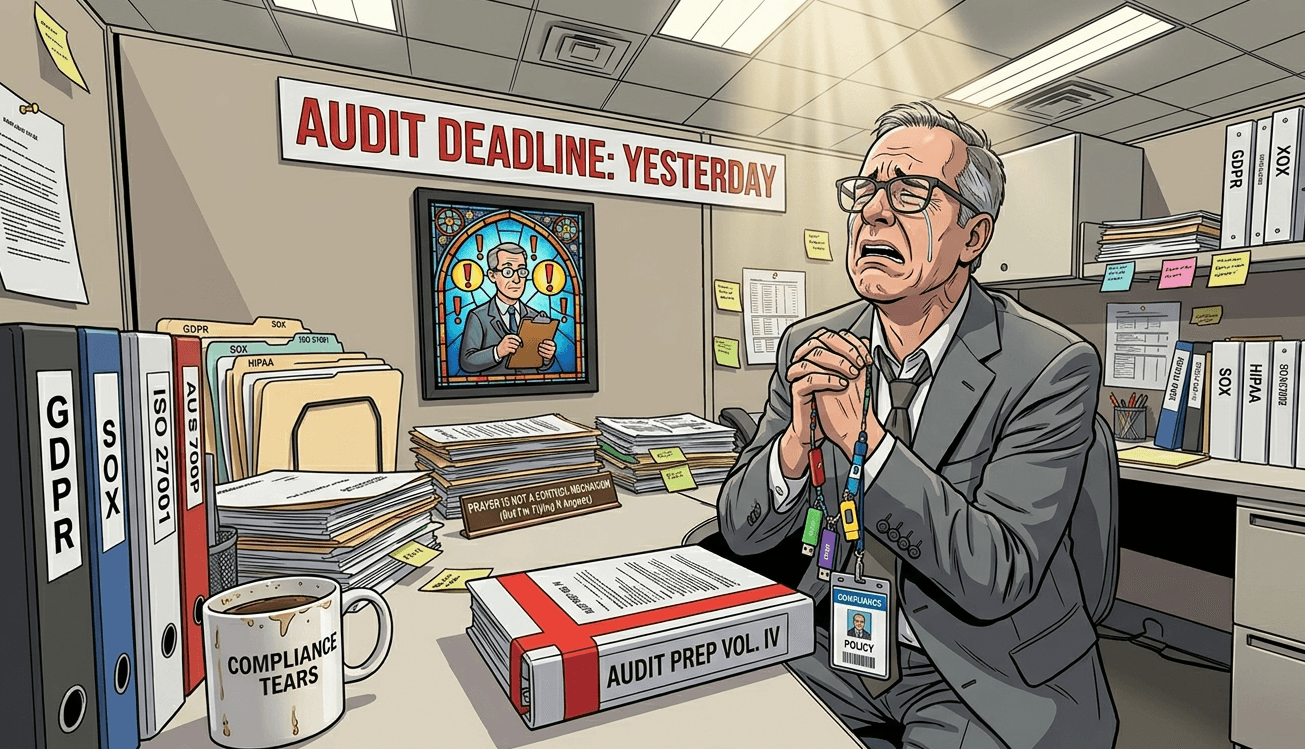
How SOC 2, HIPAA, FedRAMP, and ISO 27001 Collide with Dependency Management
Modern compliance is no longer a "prepare and pray" exercise; it has evolved into a continuous demand for operational transparency and active software maintenance. This blog explores how dependency management—often viewed as a back-burner engineering task—has become the linchpin for meeting the rigorous standards of SOC 2, HIPAA, FedRAMP, and ISO 27001.


{00Felix}
Solving the Transitive Dependency Challenge. Good vs Good Enough
Most engineering teams are drowning in "safe" update PRs that aren't actually safe. While tools like Dependabot and AI coding assistants excel at spotting vulnerabilities and bumping version numbers, they suffer from a fundamental flaw: they speak metadata, not code.

{Insights}
Tales of a Staff Engineer (and a Secret Agent Fox) from DevNexus 2026
DevNexus 2026 highlighted a shift toward AI-driven development, where engineers are evolving into AI managers overseeing tools like Claude Code and Codex, raising concerns about long-term costs and the need for agentic, durable AI workflows. Key takeaways emphasized the importance of securing AI-generated code against dependency vulnerabilities and leveraging Java-based frameworks, with a call for tools that can independently fix, test, and retry, similar to Alchemain's approach.